
No One Asks Our Opinion About Anything
Shahrzad Hemati's latest Instagram post

On February 20, 2026, I translated Shahrzad Hemati’s, Shargh newspaper’s editor in chief since March 2025, instagram post titled “Between Bombs and Labels,” that begins with how once a week, she, her daughter, and her husband would sleep next to each other in the living room as they, along with a country of over 90 million people, waited to see if war would break out. That piece ended with these words: “And we still sleep there. Tightly together. Against the politics of death, with the politics of life.”
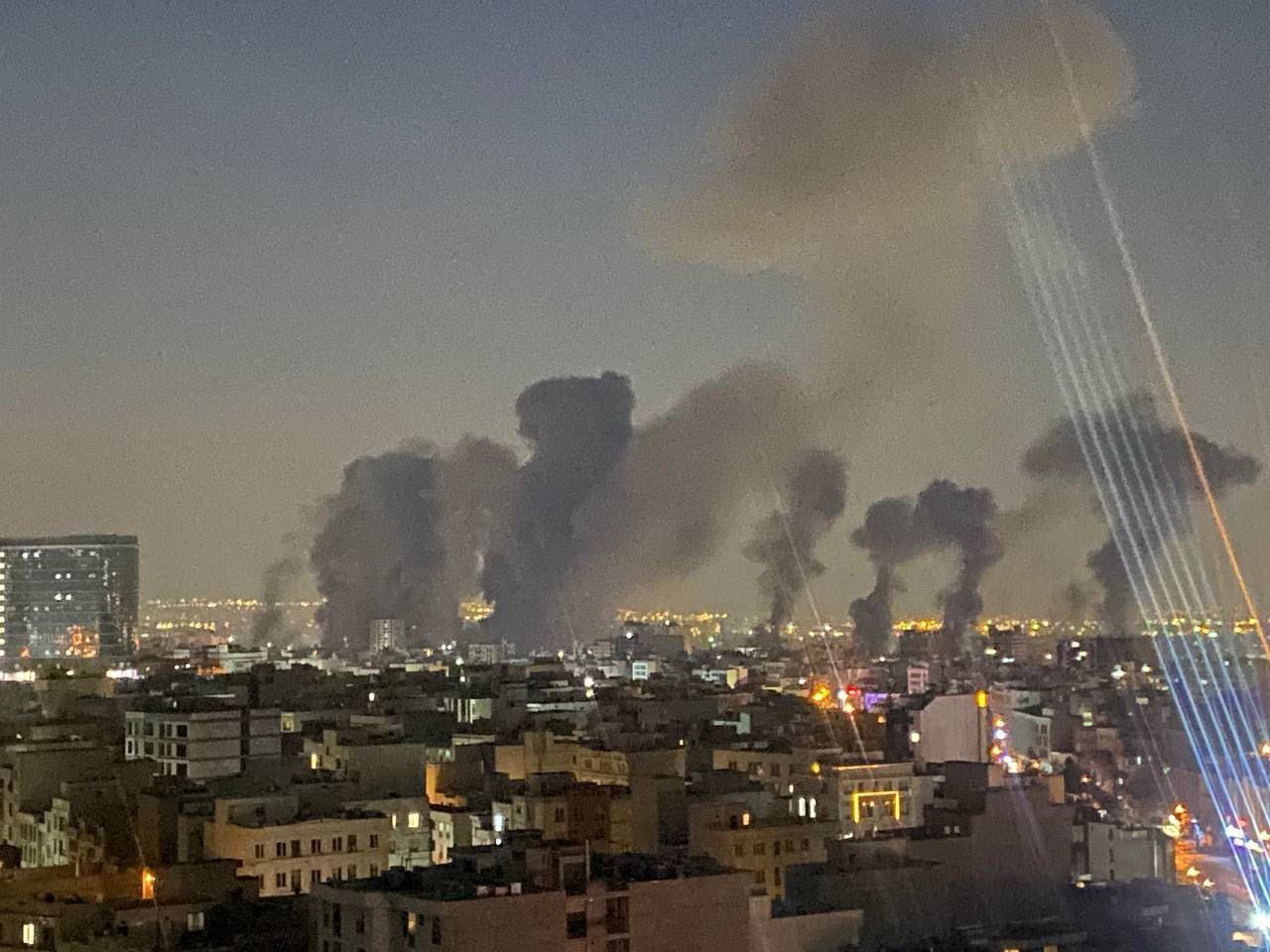
Since February 28 when war a war that is engulfing the entire region now broke out, Ms. Hemati’s instagram like many others’ went silent. Yet the newspaper she runs continued and continues to publish some of the most insightful and important investigative reports we have of a country that has been cut off from the world for a week now.
Last night was one of the heaviest nights of bombing in Tehran. Those who could get word out wrote and sent videos and photos of an intense aerial attack on many parts of the country. The sound, the smell, the plumes of smoke, the fire lighting up the sky, was non-stop.
Below is my translation of her latest post, which I am sharing with her permission. It is produced as part of a collaborative effort to engage with a wide spectrum of perspectives and analyses published inside Iran. I invite you to read them, incorporate them into your understanding of Iranian politics, and help distribute them widely.1
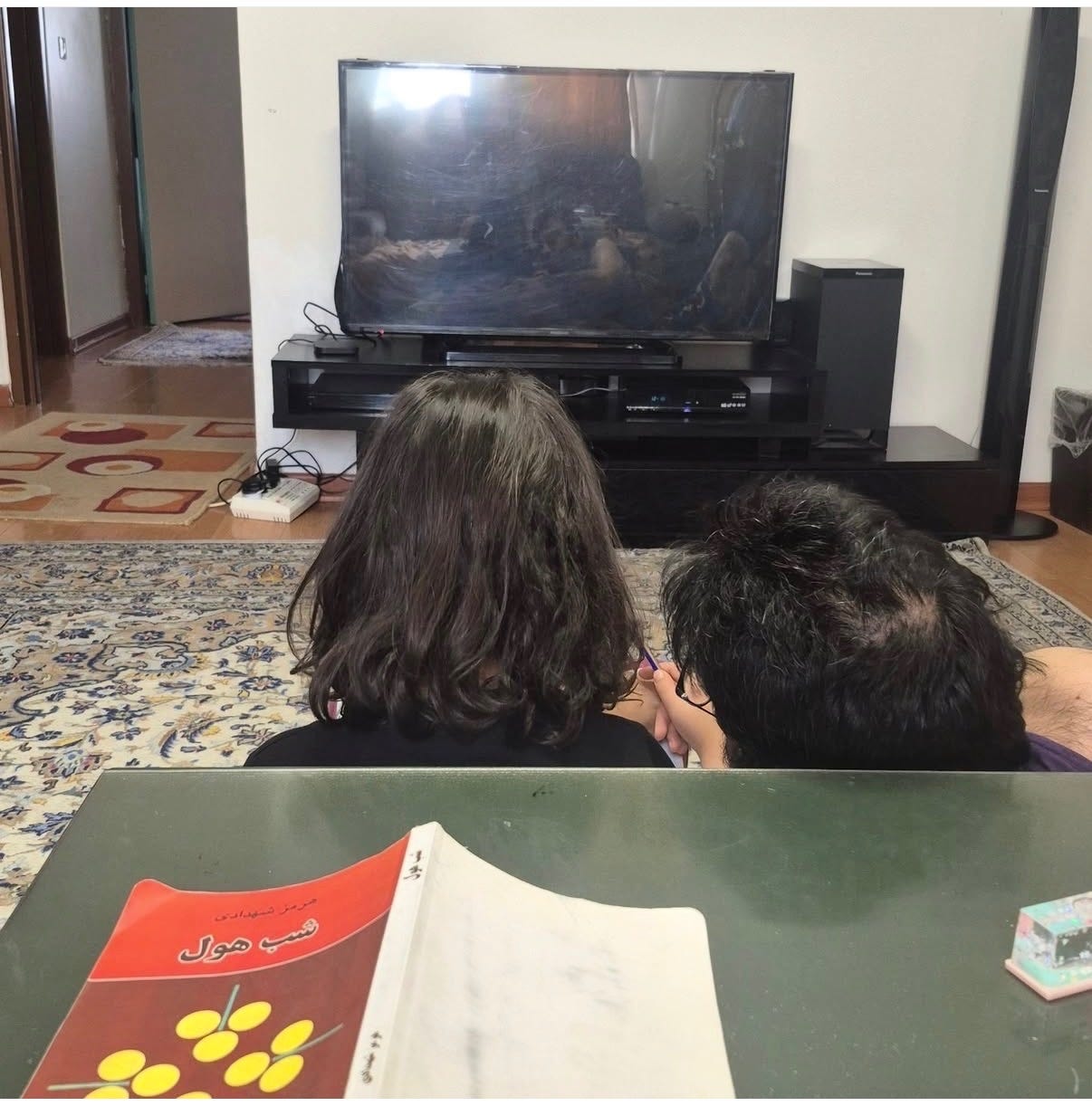
When the sounds gets louder, we put the pillow right here in front of the TV, with our backs to the window. Then I hold the little girl tightly and we watch the cartoon “Butterbean’s Cafe.” Every time a bomb goes off loudly, I instinctively hug her tighter.
She says softly, “Mom, when you do that, my heart beats faster.”
I let her go and look at the window, where it’s black with smoke on the other side. I turn my head back toward the TV and think that if a missile comes through the window, it will hit our heads. Right then, I feel a burning in my head and I sense a scratch on it as if warm blood has spilled onto the pillow. I touch my own head and then the girl’s who either is truly unaware or is pretending not to know that America has come to “help.”
There is no internet. They drop bombs, and these ones have cut off our internet. Cut off from the world, we flip through the TV channels. In the ideological media on the other side, Iran has fallen; in the media here, we are the victors of the battlefield.
The smell of smoke has filled the streets, and everywhere is silent. I pick up my phone and head toward the newspaper office. I go through the news. I feel helpless.
No one asks our opinion about anything. No one wants to know anything from [about] us. We are just a large statistical population for reports to the United Nations. So that someone can gain an advantage for themselves by speaking about crimes committed against us, and this game never ends.
And us? Well, we have no right to protest. But at home, right when the greenhouse windows shatter, we whisper to ourselves: I’d rather die than betray my country.2
Necessary note: I do not have internet access; I am posting this piece using someone else’s connection.
You can read her original post here:
The literal translation is I hope god makes it so that I die and don’t sell ot my country.